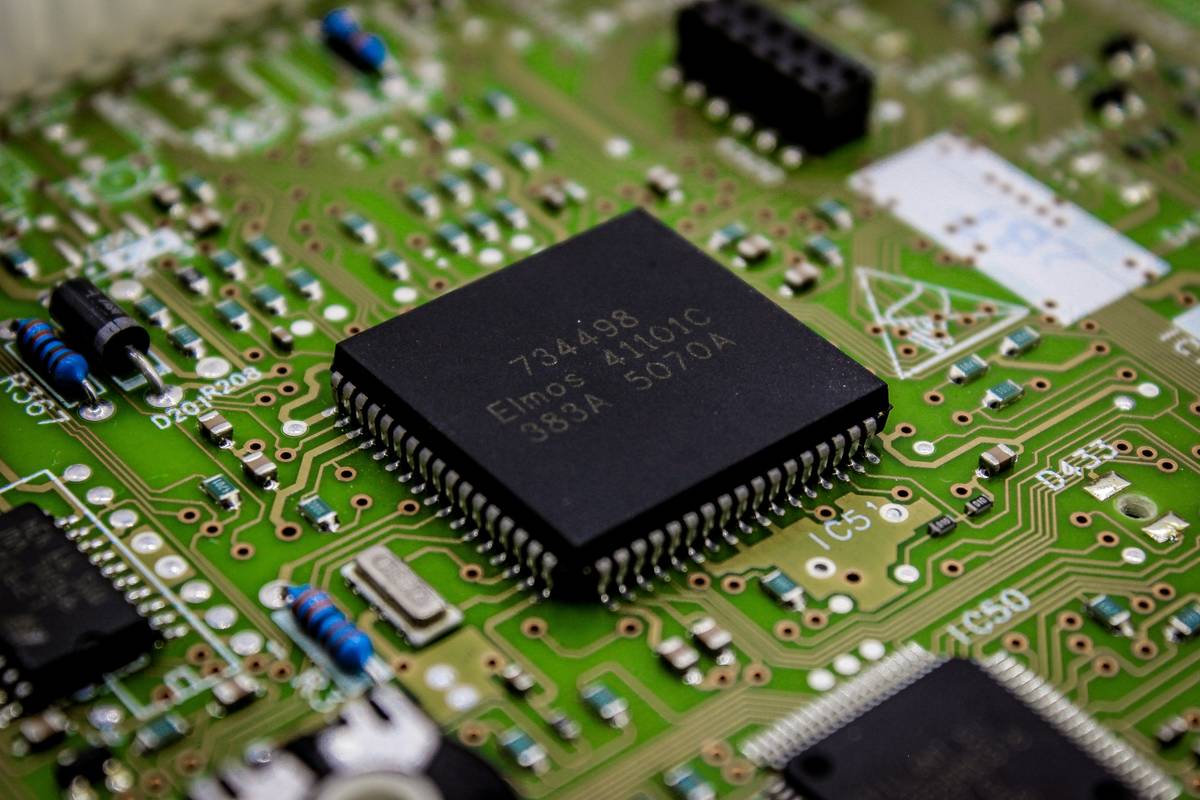
Picking the wrong programming language for embedded systems doesn’t just slow things down—it can brick your entire project. Tight memory budgets, erratic real-time demands, and hardware quirks turn “easy” code into a ticking time bomb. But there’s a path forward: choose not by popularity, but by physics.
Why General-Purpose Languages Fail in Embedded Environments
C++ might rule the desktop—but throw it onto a 32KB RAM microcontroller, and you’ll watch stack overflows bloom like weeds. Python? Forget it. Interpreted layers demand resources that simply don’t exist below $2 BOM cost. And Java’s garbage collector? A real-time nightmare.
Embedded isn’t “small software.” It’s constrained hardware dancing with deterministic timing. Standard toolchains ignore this brutal truth—until your drone crashes or your medical sensor freezes mid-read.
How to Select the Right Programming Language for Embedded Systems
The answer isn’t singular. It depends on your silicon, your timeline, and how much pain you’re willing to endure for control.
Match Language to Hardware Tier
8-bit MCUs (think AVR, PIC)? Stick with C. No exceptions. You need bit-level register access and zero runtime overhead. Every byte counts—and C delivers surgical precision without hidden costs.
When Rust Enters the Chat
On 32-bit ARM Cortex-M4+ chips with ≥128KB RAM, Rust becomes viable. Memory safety without a GC? Yes. But be warned: toolchain maturity lags. Debugging async panics on bare metal still feels like archaeology.
Avoid the Assembly Trap
Yes, assembly gives ultimate control. But writing a TCP/IP stack in ASM is professional suicide in 2024. Use inline assembly only for cycle-critical ISRs—not your whole firmware.
| Language | Footprint (KB) | Startup Time (µs) | Real-Time Suitability | Dev Productivity |
|---|---|---|---|---|
| C | 2–8 | 1–5 | Excellent | Medium |
| Rust | 6–20 | 3–12 | Good (with tuning) | Low (steep learning curve) |
| MicroPython | 64+ | 50+ | Poor | High |
| Ada | 4–10 | 2–7 | Excellent | Low (niche talent pool) |
The Industry Secret: It’s Not About the Language—It’s About the Compiler Chain
Here’s what nobody tells you: two teams using the same programming language for embedded systems can get wildly different results based solely on compiler flags and link-time optimization choices.
I once saw a firmware team cut boot time by 63%—not by rewriting code, but by switching from GCC’s default -O2 to a custom -Os + LTO + dead-code elimination pipeline tailored to their STM32. The math is simple: your compiler is part of your runtime. Treat it like firmware, not an afterthought.
And stop using Arduino IDE for production. Its abstraction leaks memory like a sieve.
Frequently Asked Questions
Is C still the best programming language for embedded systems?
Yes—for resource-constrained devices. C offers unmatched control over memory and hardware registers with minimal overhead. Alternatives like Rust show promise but add complexity most projects can’t justify.
Can Python be used in embedded systems?
Only on high-end SoCs (like Raspberry Pi) with ample RAM and OS support. On true microcontrollers (under 1MB RAM), MicroPython exists but sacrifices real-time performance and predictability.
Why avoid C++ in small embedded projects?
C++ features like exceptions, RTTI, and dynamic allocation introduce unpredictable latency and bloat. Even “subsetted” C++ often hides hidden costs that break hard real-time guarantees.