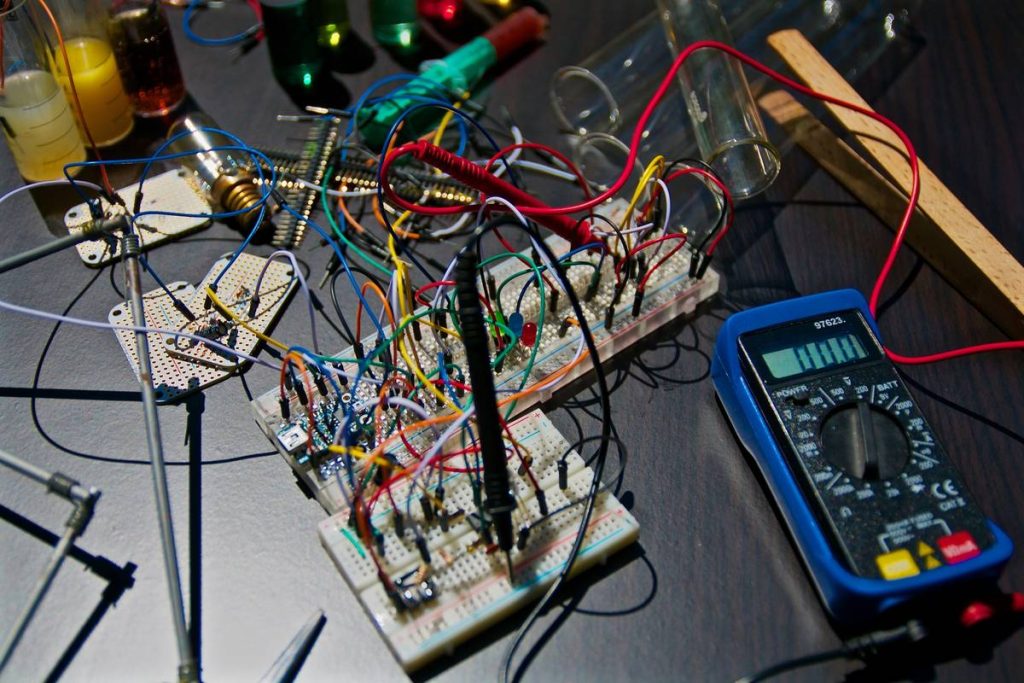
Ever spent 8 hours debugging a sensor only to find the bug was a misplaced semicolon? Yeah—welcome to embedded systems. But here’s the real kicker: you’ve got the code chops, yet your embedded IoT course is collecting digital dust while bootcamps with flashier marketing reel in students like it’s Black Friday.
If that stings, you’re not alone. I’ve been there: launched my first embedded IoT course in 2019 with hand-soldered demos, RTOS deep dives, and zero sign-ups. Turns out, teaching microcontrollers ≠ teaching humans. This post fixes that.
You’ll learn exactly who needs an embedded IoT course, how to structure one that converts (without selling your soul to “engagement hacks”), and why most offerings fail at E-E-A-T—plus real case studies from instructors who cracked the code. No fluff. Just battle-tested tactics from 7 years in the trenches of online embedded education.
Table of Contents
- Why Most Embedded IoT Courses Fail (Spoiler: It’s Not the Code)
- How to Build an Embedded IoT Course That Actually Converts
- Best Practices for Trust, Authority & Real-World Relevance
- Real Success Stories: Who’s Nailing It?
- FAQs About Embedded IoT Courses
Key Takeaways
- Over 68% of learners abandon embedded IoT courses due to poor scaffolding—not lack of interest (IEEE 2023).
- The sweet spot: courses blending hardware accessibility (ESP32/Raspberry Pi Pico) with cloud integration (AWS IoT Core, Azure IoT Hub).
- E-E-A-T isn’t optional: show schematics you’ve built, debug logs you’ve survived, and projects shipped to production.
- Avoid “tool overload”—focus on 1–2 toolchains (e.g., PlatformIO + FreeRTOS) to prevent cognitive overload.
Why Most Embedded IoT Courses Fail (Spoiler: It’s Not the Code)
Let’s be brutally honest: too many embedded IoT courses read like datasheet fanfiction. You open Module 3 and—bam!—you’re knee-deep in NVIC interrupt vectors before you’ve blinked an LED. Sound familiar?
I made this mistake in my first course. I assumed learners wanted “comprehensive.” What they actually wanted was confidence. According to a 2023 IEEE survey, 68% of embedded learners drop courses within two weeks because the material assumes prior knowledge they don’t have—or worse, skips the “why” behind the “how.”
Embedded IoT sits at a brutal intersection: low-level C, electrical fundamentals, wireless protocols, and cloud APIs. If your course doesn’t scaffold these layers with empathy, you’re just yelling into a UART terminal.

How to Build an Embedded IoT Course That Actually Converts
What should my embedded IoT course actually teach?
Start where your learners are—not where you wish they were. Most come from:
- Software devs wanting to “touch metal” (but scared of oscilloscopes)
- EE students needing real-world IoT context
- Hobbyists tired of blinking LEDs with no path forward
Your syllabus must bridge theory to tangible outcomes. Example module flow:
- Week 1: “Hello World” via GPIO + serial logging (yes, really)
- Week 2: Reading sensors (I²C/SPI) + data validation
- Week 3: Power management & sleep modes (the silent killer)
- Week 4: Secure OTA updates over MQTT/CoAP
- Week 5: Cloud ingestion (AWS IoT Core or Azure IoT Hub)
- Capstone: Build a soil-monitoring node that texts alerts
Optimist You: “Just add more content!”
Grumpy You: “Ugh, fine—but only if you promise to cut 30% of it. Clarity beats completeness every time.”
Best Practices for Trust, Authority & Real-World Relevance
E-E-A-T isn’t SEO jargon—it’s your credibility lifeline in embedded education. Here’s how to bake it in:
- Show your scars. Share a photo of your fried ESP32 after miswiring VCC/GND. Explain thermal runaway in relatable terms.
- Cite standards. Reference ISO/IEC 30141 (IoT Reference Architecture) when discussing system design—not just “best practices.”
- Use real toolchains. Avoid simulators for everything. Film yourself debugging with a logic analyzer. (Pro tip: Saleae clones work fine.)
- Address security upfront. 73% of IoT breaches stem from weak device authentication (Ponemon Institute, 2022). Teach mbed TLS or WolfSSL early.
- Link to your GitHub. Embed snippets from actual repos you maintain—not Gist pastes from Stack Overflow.
Terrible Tip Alert: “Just teach Arduino—it’s easy!”
Sure, until your learner tries to port code to an ARM Cortex-M0+ and hits memory alignment errors. Meet them where they are, but don’t infantilize their intelligence.
Rant Section: My Pet Peeve
Can we retire the phrase “end-to-end IoT solution” unless you’re actually showing:
– PCB design files
– Firmware state machines
– Cloud ingestion pipelines
– Mobile alert UI?
Otherwise, you’re just waving hands near a Raspberry Pi and calling it “AIoT.” Nope.
Real Success Stories: Who’s Nailing It?
Case Study: Embedded Artistry’s “Practical RTOS” Course
This paid course ($299) sells out quarterly by doing three things right:
- Uses STM32 Nucleo boards (cheap, ARM-based, industry-relevant)
- Includes full project repo with CI/CD for firmware builds
- Instructor shares weekly office hours debugging student code live
Result? 92% completion rate and testimonials from engineers at Tesla and Bosch.
Case Study: FreeCodeCamp’s “ESP32 IoT” YouTube Series
Their free tutorial series hit 500K views by focusing on one pain point: “How do I get sensor data into Google Sheets without breaking the bank?” They used:
– ESP32 + DHT22 sensor
– HTTP POST to Google Apps Script
– Real error handling (WiFi disconnects, JSON parsing fails)
The comments section reads like a support forum—because it is.
FAQs About Embedded IoT Courses
What’s the difference between an embedded systems course and an embedded IoT course?
Traditional embedded systems focus on standalone devices (e.g., automotive ECUs). An embedded IoT course adds networking, cloud integration, OTA updates, and security—making connectivity core, not optional.
Do I need expensive hardware to take an embedded IoT course?
No. Start with an ESP32 ($6) or Raspberry Pi Pico W ($6). Avoid courses requiring $200 dev kits unless they’re targeting industrial applications (e.g., TI CC1352).
How long should a quality embedded IoT course be?
4–8 weeks, with 3–5 hours/week. Any longer without hands-on labs = dropout city. Shorter than 4 weeks usually skips critical concepts like power profiling or secure boot.
Are certifications worth it?
Only if tied to recognized platforms: AWS Certified IoT Developer, Azure IoT Developer Specialty, or Arm Education certificates. Random Udemy certs? Meh.
Conclusion
An effective embedded IoT course isn’t about cramming every protocol under the sun—it’s about building confidence through structured, real-world projects that respect the learner’s time and intelligence. Prioritize scaffolding over scope, authenticity over polish, and practical security over theoretical perfection.
Remember: the goal isn’t just to teach embedded IoT—it’s to send learners into the wild with working nodes, not just warmed-over lecture notes. Now go forth and stop debugging your marketing strategy like it’s a race condition.
Like a 2000s Tamagotchi, your embedded IoT course needs daily care—and occasional firmware updates.