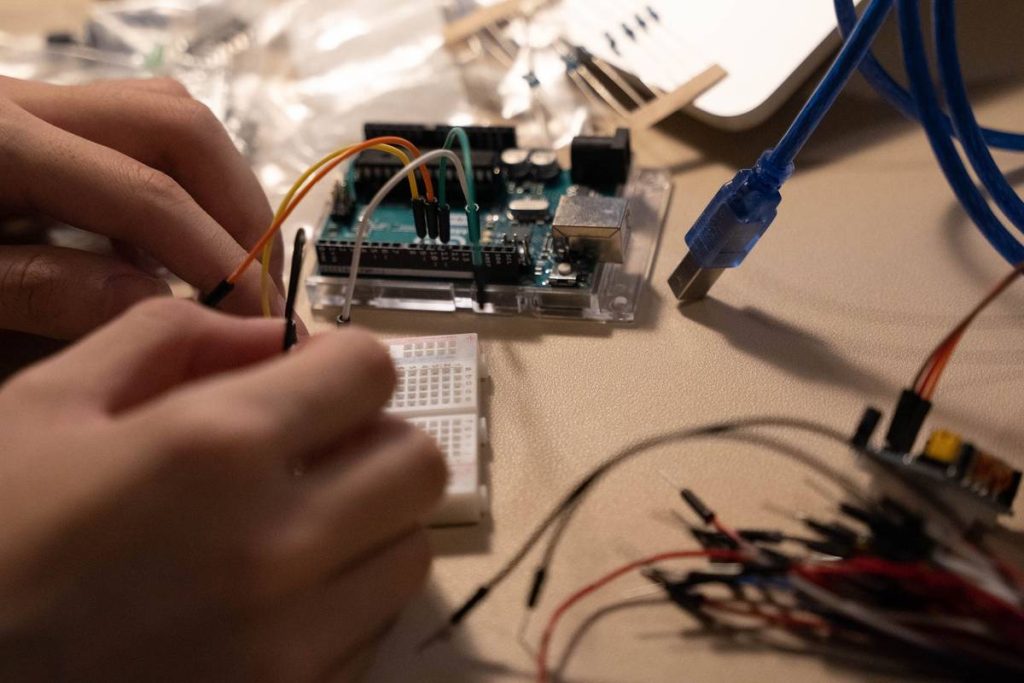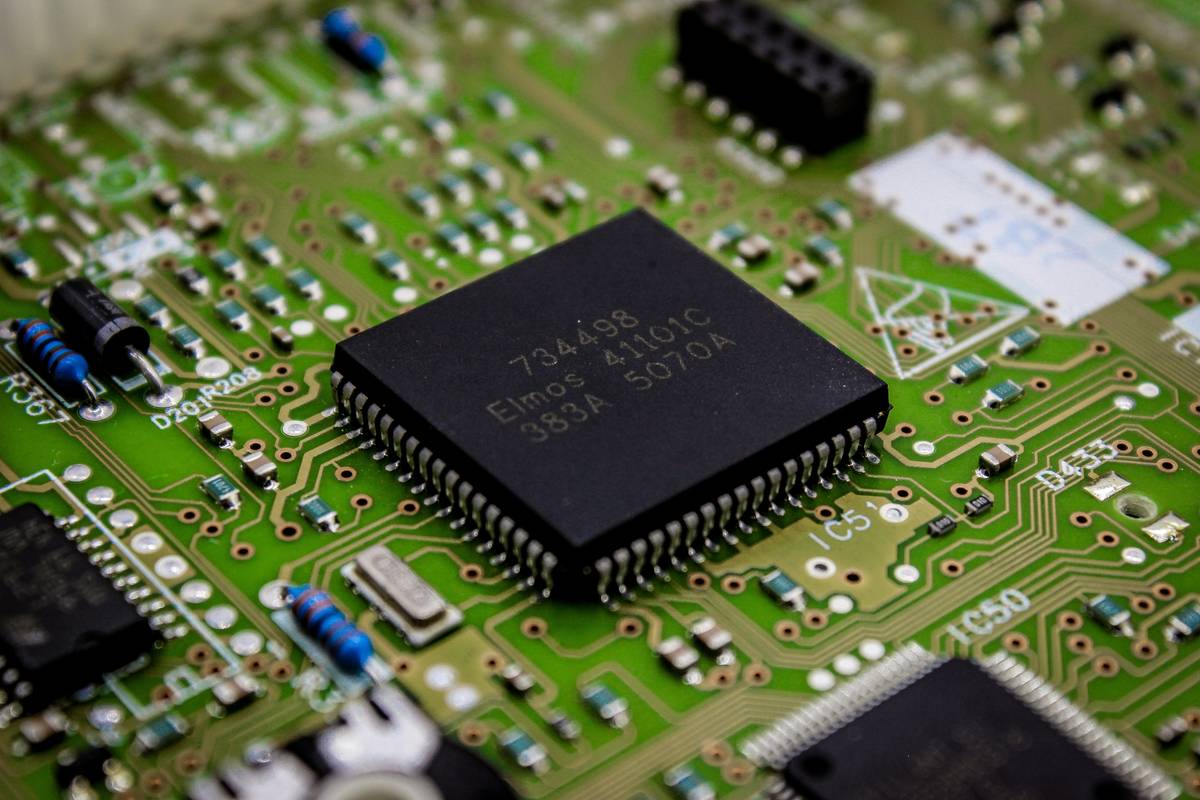
Most embedded developers drown in abstraction—chasing shiny frameworks while their hardware glitches in silence. The gap between academic theory and production-grade code widens daily. But there’s a quiet resource elite engineers rely on: the journal of embedded systems. Not as passive reading—but as a tactical playbook.
The Fatal Flaw in Typical Embedded Learning Paths
Online courses teach C syntax. Bootcamps demo blinking LEDs. Neither prepares you for memory corruption at 3 a.m. or race conditions in safety-critical medical devices. Worse—they ignore how real firmware evolves under power constraints, legacy toolchains, and zero-room-for-error deployment environments.
And that’s where curated research from the journal of embedded systems steps in—not as ivory-tower theory, but as battle-tested insight.
How to Mine the Journal of Embedded Systems Like a Senior Engineer
Step 1: Filter for Practical Validity
Ignore papers heavy on simulation. Hunt for studies with physical hardware validation—especially those specifying MCU models (STM32, ESP32, MSP430), compiler versions, and actual current draw measurements. Real data beats idealized models every time.
Step 2: Reverse-Engineer Their Debug Workflow
Top-tier embedded papers often bury gold in their methodology: custom JTAG scripts, RAM usage profiling tricks, or deterministic reboot sequences. These aren’t just footnotes—they’re your next productivity hack.
Step 3: Extract Patterns, Not Just Code
Don’t copy-paste snippets blindly. Ask: Why did they choose a ring buffer over a queue? How did they isolate timing jitter? The architecture choices reveal more than any GitHub gist.

| Learning Source | Time-to-Value | Real-World Applicability | Risk of Obsolescence |
|---|---|---|---|
| YouTube Tutorials | Minutes | Low (demo-only) | High (toolchain changes fast) |
| University Courses | Months | Moderate (theory-heavy) | Medium (core concepts endure) |
| Journal of Embedded Systems | Hours (with filtering) | High (peer-reviewed validation) | Low (focus on fundamentals + reproducible results) |
The Industry Secret No One Talks About
Here’s the reality: many “cutting-edge” commercial SDKs are built directly from ideas first published in journals like the journal of embedded systems—but stripped of nuance and sold as black-box solutions. A case in point? The adaptive tickless scheduler now baked into FreeRTOS originated from a 2018 paper analyzing dynamic power states in wearable sensors. If you read the source, you understand *why* it works—and how to tweak it when your battery life tanks under Bluetooth interference. Commercial docs won’t tell you that.
Think about it. The fastest path to firmware mastery isn’t another Udemy course—it’s learning to dissect primary research like an engineer, not a student.
Frequently Asked Questions
Is the journal of embedded systems open access?
Some issues are; others require institutional access. But preprints often appear on arXiv or authors’ personal sites—search the paper title + “PDF”.
Do I need a PhD to understand these papers?
No. Focus on methodology and results sections. Skip proofs. Real embedded work values outcome over formalism.
How often should I check for new research?
Quarterly is enough. Set Google Scholar alerts for “embedded systems” + your MCU family. Quality trumps volume.