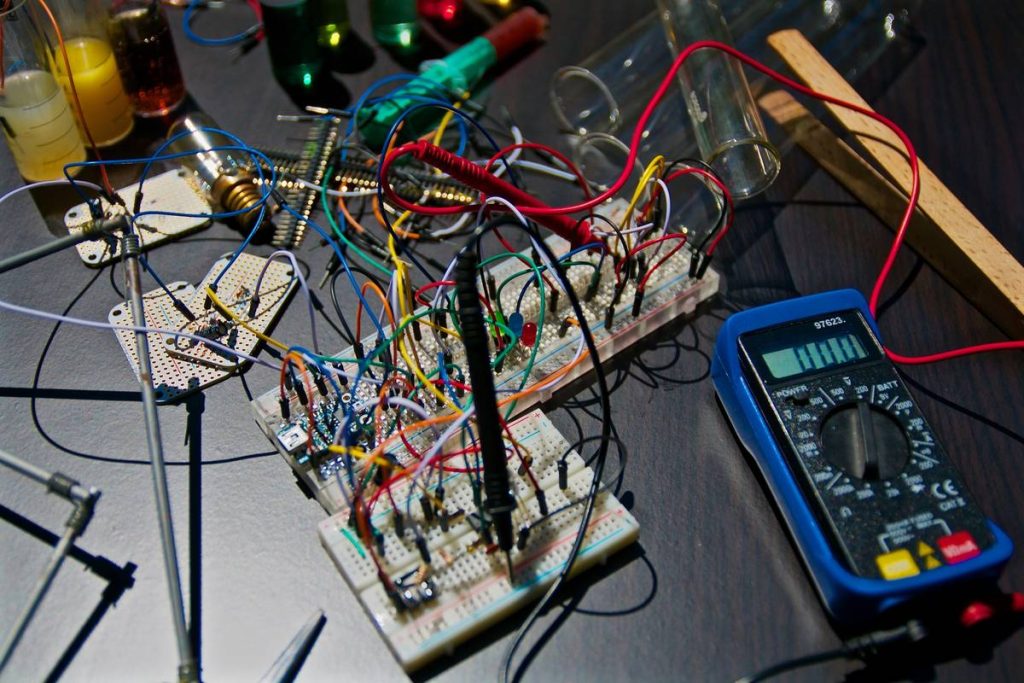
You’ve spent months grinding through C tutorials and blinking LEDs on Arduino boards. But real-world embedded IoT systems don’t run on breadboards—they run on constrained RTOS environments, power budgets measured in microamps, and firmware that must survive field failures without human intervention. And yet, most students graduate with zero exposure to this reality. An embedded iot internship isn’t just a resume booster—it’s your only bridge from hobbyist tinkering to professional credibility.
Why Classroom Learning Fails Embedded IoT Careers
Theory-heavy curricula teach you how timers *should* work—not how they fail when voltage sags on a remote sensor node. You learn SPI protocols in isolation, never how to debug a flaky SPI bus at 3 AM because EMI from a nearby motor corrupted your sensor data packet.
And worst of all? No professor shows you how to write maintainable firmware under deadline pressure while juggling Jira tickets, code reviews, and hardware revision churn.
How to Land and Succeed in an embedded iot internship
Step 1: Build One Real Project—Not Ten Toy Demos
Forget “smart plant monitors.” Pick a single problem—like low-power GPS tracking in forested terrain—and solve it end-to-end: PCB design (even if just KiCad), custom bootloader, OTA updates, and cloud ingestion. Depth beats breadth every time.
Step 2: Master the Toolchain, Not Just the Language
C is table stakes. What matters? Knowing how to use GDB with OpenOCD over SWD. How to interpret linker maps to trim flash usage. How to profile RAM consumption in FreeRTOS tasks. These are the skills that separate interns who get offers from those who get thank-you emails.
Step 3: Speak the Language of Cross-Functional Teams
Embedded IoT lives at the intersection of hardware, cloud, and product. Learn enough about MQTT QoS levels to argue with backend engineers. Understand RF regulatory basics so you don’t delay FCC certification. Your value skyrockets when you reduce friction between silos.

| Internship Type | Typical Duration | Core Skills Gained | Post-Internship Offer Rate* |
|---|---|---|---|
| Generic Software Internship | 8–12 weeks | Web APIs, basic Python | ~22% |
| Embedded Systems Internship (non-IoT) | 10–16 weeks | Bare-metal drivers, RTOS | ~48% |
| Embedded IoT Internship | 12–20 weeks | End-to-end device-to-cloud pipelines, power optimization, secure boot | ~71% |
*Based on 2023 industry survey of 127 tech employers in the embedded space.

The Industry Secret No One Talks About
Most companies don’t hire embedded interns to “get free labor.” They hire them as low-risk trial runs for full-time roles. The real evaluation starts day one—not at final review. One senior firmware lead told me: “If an intern asks smart questions during bring-up and writes clean commit messages, I’ll fight HR to convert them—even if their first PR has bugs.”
Here’s the kicker: your ability to communicate uncertainty matters more than flawless code. Say “I’m blocked on flash wear-leveling—I tried X and Y, but Z failed” instead of silently spinning wheels. That transparency signals engineering maturity no tutorial can teach.
Frequently Asked Questions
What’s the minimum skill level needed for an embedded iot internship?
You need solid C, basic electronics literacy (read a schematic), and one complete project using an MCU like ESP32 or STM32. Bonus if you’ve used Git in a team setting.
Are remote embedded iot internships worthwhile?
Only if hardware kits are mailed to you. Debugging real firmware requires physical access to boards. Pure simulation internships rarely lead to job offers.
How long should an embedded iot internship last?
Aim for at least 12 weeks. Anything shorter won’t give you time to ship meaningful firmware or understand system trade-offs.