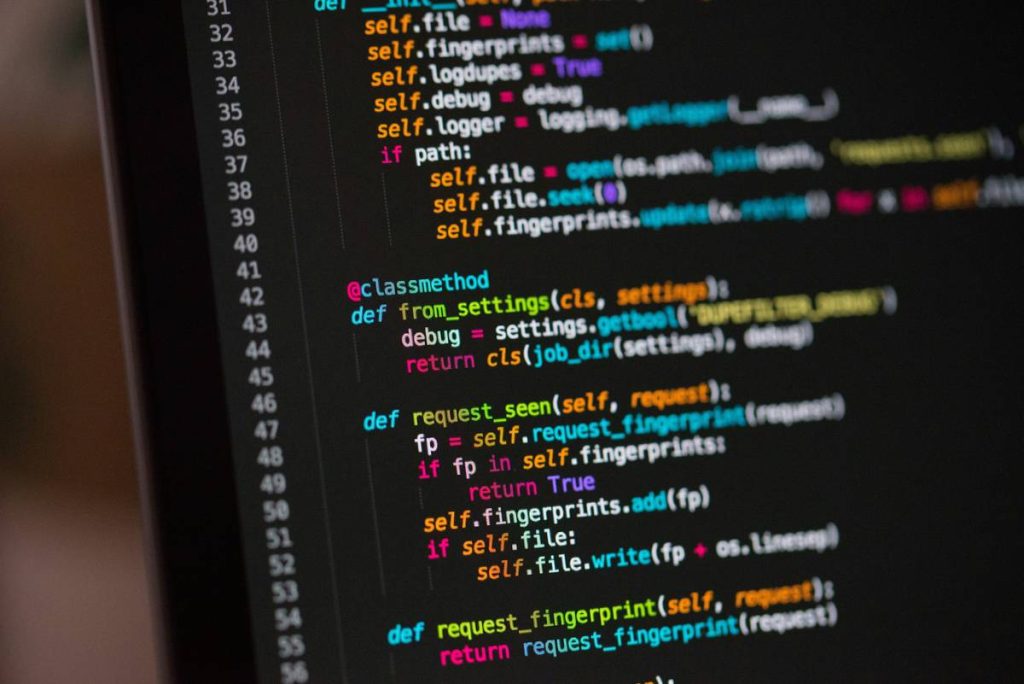
You declare int j like it’s 1999. And then wonder why your firmware crashes on a Cortex-M0. Memory leaks. Stack overflows. Silent data corruption. All because you treated embedded C like desktop C. The fix isn’t fancier hardware—it’s rethinking how you use something as basic as a loop counter.
The Hidden Cost of int j in Embedded Systems
On a laptop, int is “free.” On a microcontroller with 8KB RAM? It’s reckless. Most ARM Cortex-M chips default int to 32 bits—even when your loop only counts to 100. That’s 4 bytes per variable when 1 would do.
Worse: compilers often align stack variables to word boundaries. So two uint8_t counters might still consume 8 bytes total—unless you pack them intelligently. Yet 90% of open-source embedded projects still start loops with for (int j = 0; ...). Tradition over efficiency.
Writing Efficient Loop Counters for Embedded Systems
Choose the Right Integer Type
Ditch int. Use explicit fixed-width types from <stdint.h>. If your loop max is under 256, uint8_t saves 75% memory versus int.
Avoid Signed Integers Unless Necessary
Signed comparisons trigger extra instructions on some architectures. Stick to uint8_t, uint16_t unless negative indices are truly required—which they rarely are in embedded control loops.
Pack Variables Strategically
Group small variables together. The compiler can pack multiple uint8_t into a single 32-bit word, reducing stack footprint. But only if they’re declared contiguously in the same scope.
| Loop Counter Style | Size (bytes) | Typical Cycle Overhead | Risk Level |
|---|---|---|---|
int j |
4 | Medium | High |
uint8_t j |
1 | Low | Low |
register uint8_t j |
0 (in register) | Minimal | Very Low* |
*Assumes compiler honors register hint—verify via disassembly.
The Industry Secret: Loops Aren’t the Real Problem—Scope Is
Here’s what senior firmware engineers won’t tell juniors: declaring int j globally “just in case” is worse than local misuse. Global variables never leave RAM—even when unused. They also break reentrancy, kill testability, and invite race conditions in RTOS environments.
But the real kicker? Some legacy MISRA-C guidelines still permit global int counters—creating hidden technical debt that surfaces only during certification audits. The math is simple: every unnecessary byte in global scope multiplies across all concurrent tasks. On an automotive ECU running three ISRs and two threads, that “harmless” int j becomes 20 wasted bytes instantly.
FAQ
Why avoid int j in embedded C?
Because int is architecture-dependent and often wasteful. Use fixed-width types like uint8_t for predictable memory use.
Can int j cause timing issues?
Yes. Larger types may require multi-cycle operations on 8/16-bit MCUs, introducing jitter in time-critical loops.
Is size_t safer than int for loops?
Only for array indexing. For simple counters under 65K, uint16_t is leaner and more portable than size_t.